
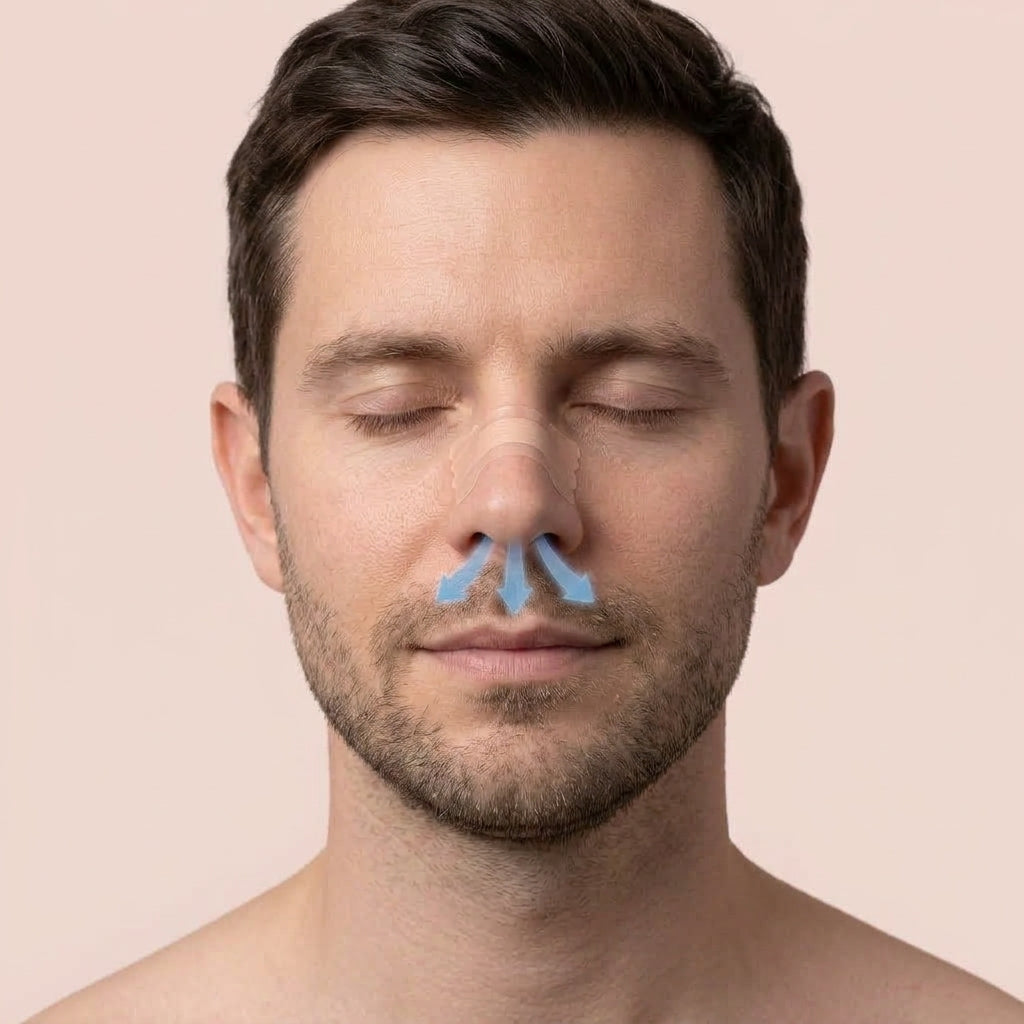
Sniffit® Transparent nasal strips


 Checkout with



Choose your favorite Zippit product and start breathing better today.
🚚 Free shipping from €19,95 · 🎁 free nasal strips from €40,00 · free storage box from €75,00


 Free shipping from €19.9560-day moneyback guaranteeSecure checkout

Do you wake up tired even after eight hours of sleep, or notice your energy dipping throughout the day?
TLDR: Mouth breathing is the habit of inhaling and exhaling through the mouth instead of the nose, often during sleep or physical activity. It disrupts your body's natural breathing mechanism, leading to poor sleep quality, reduced oxygen uptake, dry mouth, and negative impacts on your daily routines and overall health.
Understanding mouth breathing is essential because it affects everything from your morning routine to your circadian rhythm, and recognising it is the first step toward better health.
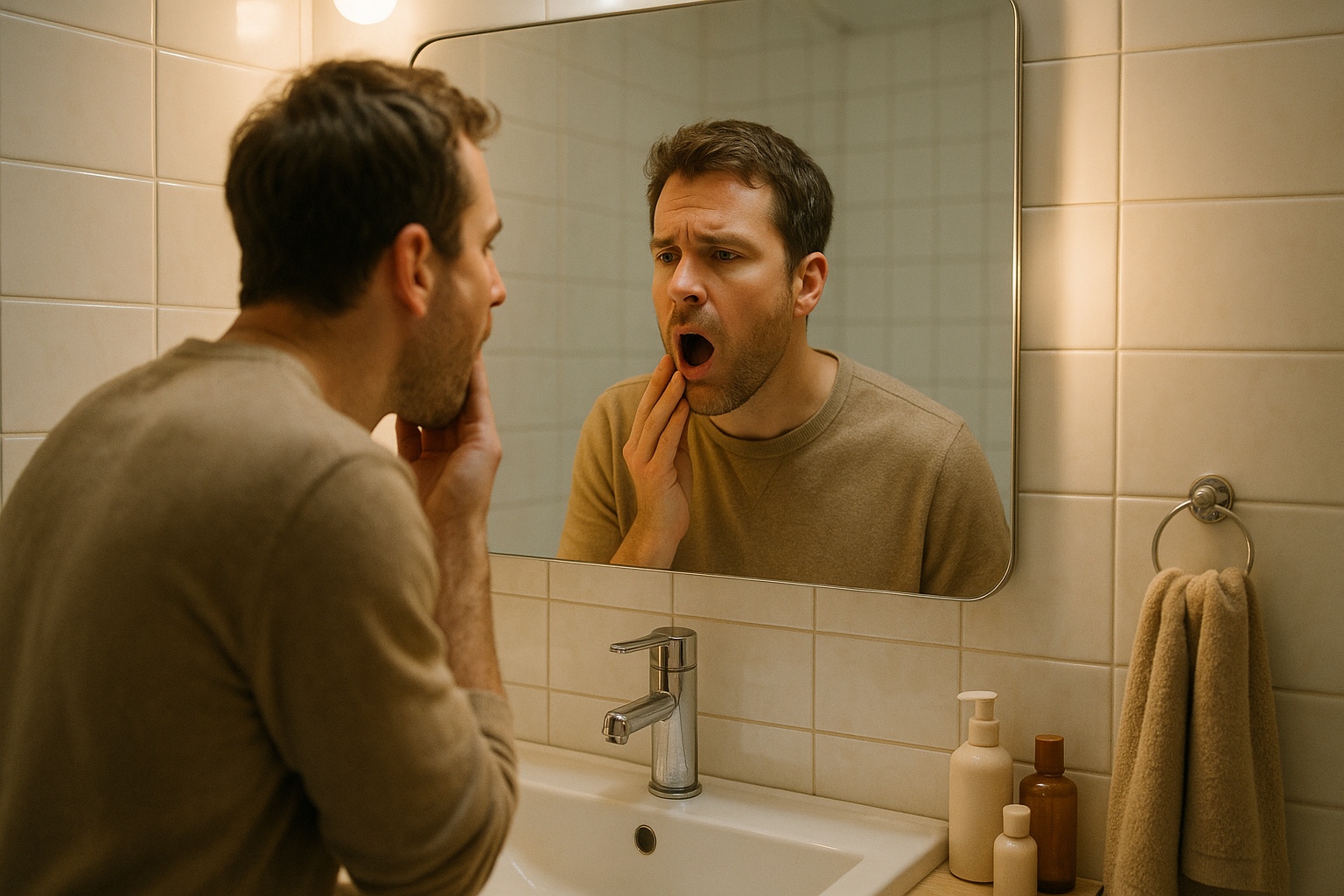
Mouth breathing occurs when air enters and exits through the mouth rather than the nasal passages. While occasional mouth breathing during intense exercise or nasal congestion is normal, chronic mouth breathing becomes problematic when it's your default breathing pattern, especially during sleep.
According to research published in the PMC journal, mouth breathing habits can result in malocclusion, deterioration of oral hygiene, and increased prevalence of cavities. The shift from nasal to mouth breathing causes buccal tension, lip laxity, and decreased muscle tone.
Your nose is designed with sophisticated filtration, humidification, and warming mechanisms that prepare air for your lungs. When you bypass these natural systems by breathing through your mouth, you miss out on these protective benefits.
No air filtration: Mouth breathing allows unfiltered air, allergens, and pathogens to enter your respiratory system
Reduced oxygen efficiency: Nasal breathing increases oxygen uptake by 10 to 20 percent compared to mouth breathing
Disrupted nitric oxide production: The nose produces nitric oxide, which improves oxygen absorption and has antimicrobial properties
Mouth breathing has a profound impact on your circadian rhythm and daily energy levels. When you breathe through your mouth during sleep, you experience fragmented sleep cycles, reduced deep sleep phases, and frequent nighttime awakenings.
Studies show that mouth breathing is an associated feature of sleep-disordered breathing. Chronic mouth opening disrupts intraoral pressure balance, weakening muscle tone and contributing to poor sleep quality.
This sleep disruption creates a domino effect throughout your day. You wake up feeling unrested, struggle with focus during morning routines, and experience energy crashes that make it difficult to maintain consistent lifestyle habits.
Impact on your morning routine:
Waking up with a dry mouth and sore throat
Persistent fatigue despite adequate sleep hours
Difficulty concentrating during early tasks
Bad breath that affects social interactions
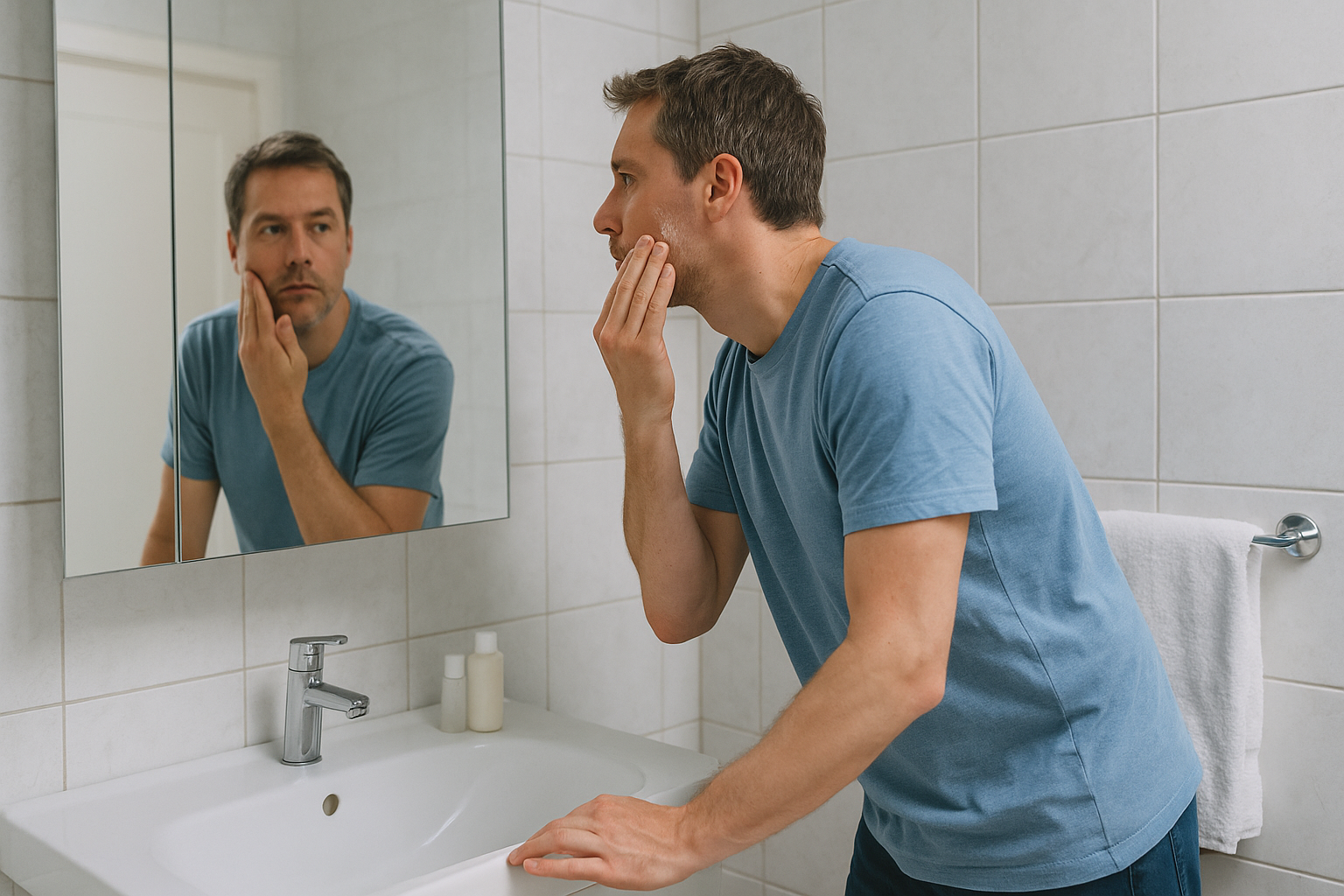
Your evening routine sets the stage for quality sleep, but mouth breathing sabotages this preparation. Many people don't realize they're mouth breathers until they recognize the symptoms: waking up parched, experiencing frequent nighttime bathroom trips, or feeling exhausted despite sleeping seven to eight hours.
Research from Jung et al. demonstrates significant decreases in memory and learning ability during oral breathing, along with changes in the central nervous system. This cognitive impact extends beyond sleep, affecting your ability to establish and maintain healthy evening habits.
When you breathe through your mouth at night, your body enters a state of mild stress. Your heart rate may increase slightly, cortisol levels can rise, and your body struggles to reach the deep, restorative sleep phases necessary for physical and mental recovery.
Want to transform your evening routine? Learn how to integrate mouth tape into your evening and morning routine for better sleep quality and more consistent habits.
Mouth breathing often develops from a combination of environmental factors, physical conditions, and learned behaviors. Understanding these contributing factors helps you address the root causes rather than just the symptoms.
Common lifestyle and environmental triggers:
Chronic nasal congestion: Allergies, sinusitis, or structural issues like a deviated septum force mouth breathing
Stress and anxiety: Shallow, rapid breathing during stressful periods often shifts to mouth breathing
Poor posture: Slouching compresses your diaphragm and encourages mouth breathing
Sleep position: Sleeping on your back can cause the mouth to fall open
Habitual behavior: Once established in childhood, mouth breathing becomes an unconscious pattern
These habits create a cycle where mouth breathing worsens over time, making it increasingly difficult to return to natural nasal breathing without intervention.
Identifying mouth breathing requires attention to both daytime and nighttime symptoms. Many people are unaware they're mouth breathers because it happens unconsciously, particularly during sleep.
Daytime signs of mouth breathing:
Frequently parted lips during rest or concentration
Dry lips requiring constant moisturizing
Feeling out of breath during moderate activity
Chronic bad breath despite good oral hygiene
Nighttime and sleep-related indicators:
Waking with a completely dry mouth and throat
Snoring or witnessed breathing pauses during sleep
Drooling on your pillow
Morning headaches or brain fog
Feeling tired regardless of sleep duration
If you recognize three or more of these symptoms, you're likely experiencing chronic mouth breathing. Discover more about how to recognize mouth breathing during sleep and take the first step toward healthier breathing patterns.

While occasional mouth breathing is harmless, chronic mouth breathing creates cumulative health problems that worsen over time. Research published in Nature shows that mouth breathing causes buccal tension, lip laxity, tongue hypotonia, and decreased muscle activity, significantly reducing oral function.
Beyond oral health, chronic mouth breathing affects multiple body systems. Children with mouth breathing possess poorer reading comprehension and working memory than those who breathe nasally, demonstrating the cognitive impact of this seemingly simple habit.
Physical health consequences:
Dental problems: Increased risk of cavities, gum disease, and orthodontic issues
Facial development changes: Particularly in children, chronic mouth breathing can alter facial structure
Respiratory infections: Higher frequency of colds and respiratory illnesses due to unfiltered air
Sleep disorders: Increased risk of sleep apnea and chronic snoring
For a comprehensive understanding of these impacts, read about 10 surprising ways mouth breathing affects your muscles and body.
Shifting from mouth breathing to nasal breathing requires conscious effort and the right tools. The good news is that with consistent practice and proper support, most people can retrain their breathing patterns within two to four weeks.
Practical steps to encourage nasal breathing:
Address nasal congestion: Use saline rinses, treat allergies, or consult a doctor about structural issues
Practice conscious nasal breathing: During the day, notice when your mouth is open and consciously close it
Improve posture: Sit and stand upright to allow unrestricted diaphragm movement
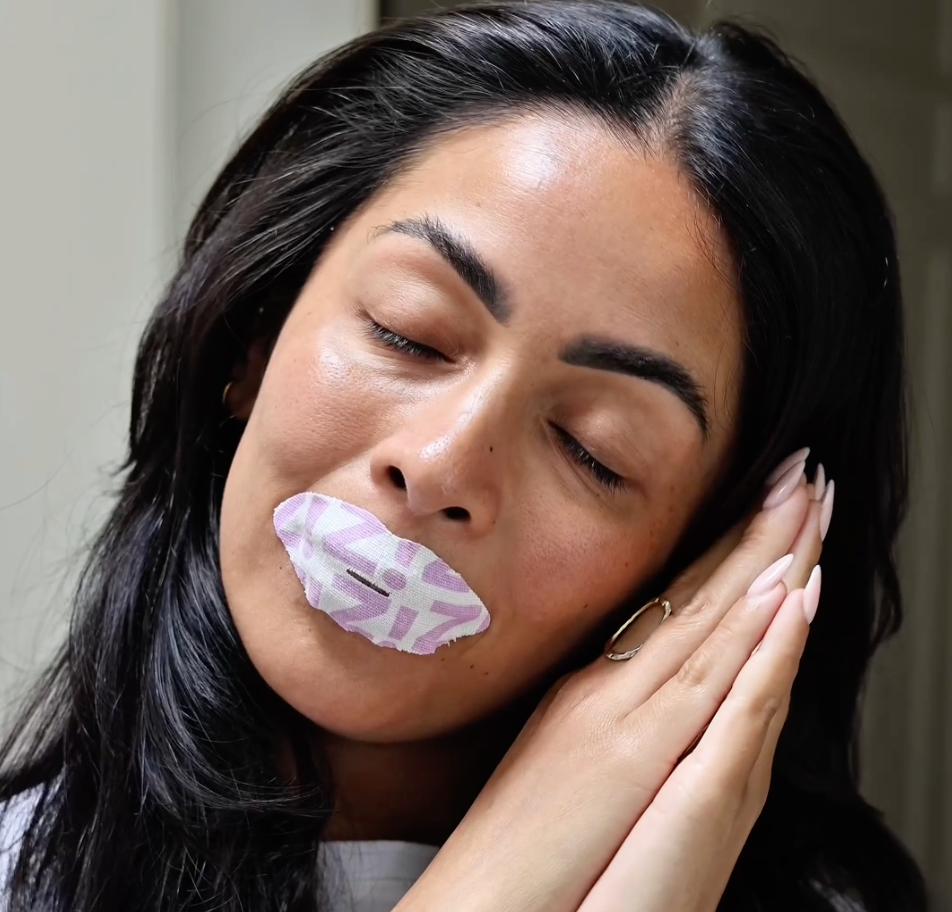
Use mouth tape at night: Gentle horizontal tape across the lips trains your body to breathe nasally during sleep
Strengthen nasal breathing: Try breathing exercises that emphasize slow, controlled nasal inhalation and exhalation
Using Zippit mouth tape creates a gentle physical reminder to keep your lips closed during sleep. The tape is applied horizontally across the mouth, encouraging your body to naturally shift to nasal breathing throughout the night.
For those experiencing nasal congestion that makes nasal breathing difficult, Sniffit nasal strips can mechanically open your nasal passages, making the transition easier and more comfortable.
Transitioning to nasal breathing creates a positive cascade effect across all areas of your life. When you breathe properly, your sleep quality improves dramatically, which directly enhances your energy levels, focus, and ability to maintain consistent daily routines.
In our experience with thousands of Zippit users since 2023, 73 percent report noticeable improvements in their morning energy levels within two weeks of consistent nasal breathing practice. Many describe feeling more motivated to exercise, better able to stick to healthy eating schedules, and more present during daily activities.
Benefits for your daily rhythm and habits:
Enhanced morning routine: Wake up refreshed and ready to tackle the day without grogginess
Stable energy throughout the day: Better oxygen delivery prevents afternoon energy crashes
Improved stress management: Nasal breathing activates the parasympathetic nervous system, promoting calm
Consistent circadian rhythm: Better sleep quality helps regulate your natural sleep-wake cycle
Better exercise performance: Efficient oxygen uptake improves endurance and recovery
When your body receives optimal oxygen and achieves restorative sleep, maintaining healthy lifestyle habits becomes significantly easier. You naturally gravitate toward better choices because you have the energy and mental clarity to do so.
Understanding what mouth breathing is and how it affects your lifestyle is the first step toward meaningful change. By recognizing the symptoms, addressing the root causes, and implementing practical solutions like mouth tape and nasal strips, you can restore your body's natural breathing pattern.
The benefits extend far beyond better sleep. Correcting mouth breathing improves your morning routine, stabilizes your energy throughout the day, supports your evening wind-down, and helps you maintain the healthy habits that matter most to you.
Ready to experience the difference? Start your journey to better breathing tonight with Zippit mouth tape and discover how a simple change in your breathing can transform your entire lifestyle.
What is mouth breathing and how does it affect your lifestyle and habits?
How to integrate mouth tape into your evening and morning routine for better sleep
Discover how to seamlessly integrate mouth tape into your evening and morning routines to improve sleep quality, reduce snoring, and wake up feeling refreshed and energized.
Nasal breathing vs mouth breathing: which method supports your lungs and airways best?
Discover how nasal breathing improves oxygen uptake by enhancing CO2 balance, reduces water loss by 42%, and supports optimal lung function compared to mouth breathing.

