
Zippit® mouth tape


 Checkout with



Choose your favorite Zippit product and start breathing better today.
🚚 Free shipping from €19,95 · 🎁 free nasal strips from €40,00 · free storage box from €75,00

 Free shipping from €19.9560-day moneyback guaranteeSecure checkout

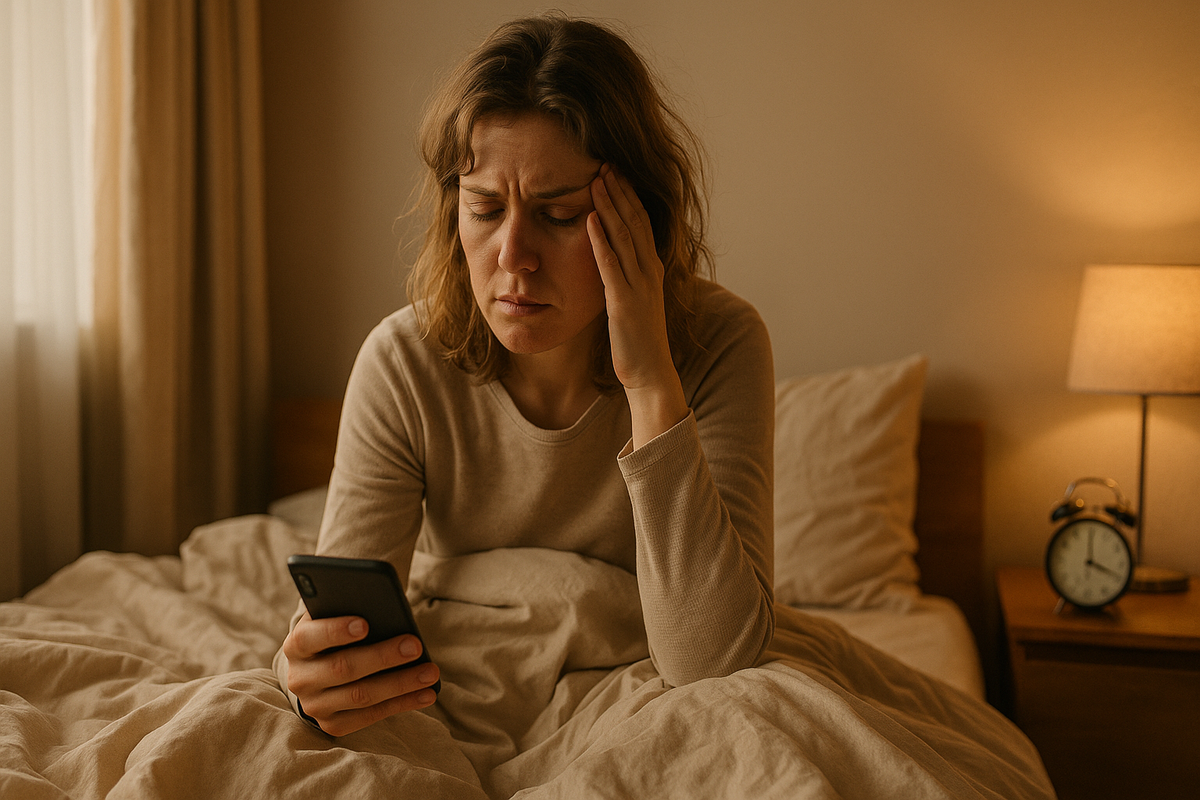
Do you wake up tired every morning, even after a full night's sleep? Mouth breathing during sleep might be the hidden culprit behind your snoring and poor sleep quality.
TLDR: Mouth breathing during sleep increases snoring, disrupts sleep quality, and can lead to dry mouth, fatigue, and reduced oxygen intake. Research shows that preventing mouth breathing through nasal breathing can reduce snoring in 60-70% of users with mild to moderate snoring problems, leading to more restorative sleep and better daytime energy levels.
Understanding how mouth breathing affects your sleep is the first step toward improving your rest and waking up refreshed.

When you breathe through your mouth during sleep, your jaw drops open and your tongue falls back into your throat. This creates a partial blockage in your airway, forcing air to squeeze through a narrower passage.
The fast-moving air then vibrates the soft tissues in your throat—including your soft palate, uvula, and tonsils—creating the characteristic snoring sound. According to research published in PubMed, mouth breathing significantly contributes to upper airway obstruction during sleep.
Additionally, mouth breathing dries out the tissues in your throat, making them more likely to stick together and vibrate. This combination of airway narrowing and tissue dryness creates the perfect conditions for loud, disruptive snoring.
Key factors that worsen snoring from mouth breathing:
Jaw dropping open allows tongue to fall backward
Reduced airway space increases air velocity and vibration
Dry throat tissues create more friction and noise
Sleeping position (especially on back) compounds the problem
Mouth breathing doesn't just cause snoring—it fundamentally disrupts the quality of your sleep architecture. When you breathe through your mouth, you take in less oxygen per breath compared to nasal breathing, which means your body works harder throughout the night.
This increased effort prevents you from reaching the deep, restorative stages of sleep your body needs. Studies on mouth breathing and sleep disorders show that mouth breathing is associated with more frequent sleep disturbances and reduced sleep efficiency.
Your brain also receives signals that something is wrong throughout the night. Even if you don't fully wake up, your body experiences micro-arousals—brief moments where your sleep lightens to help you breathe better. These interruptions fragment your sleep and leave you feeling unrested in the morning.
Sleep problems caused by mouth breathing:
Reduced deep sleep: Less time in restorative REM and deep sleep stages
Frequent micro-arousals: Brief awakenings that fragment sleep continuity
Morning fatigue: Waking up tired despite sleeping seven to eight hours
Daytime sleepiness: Difficulty concentrating and low energy throughout the day
Many Zippit users report that after switching to nasal breathing during sleep, they experience more consistent energy levels and wake up feeling genuinely refreshed for the first time in years.

Beyond snoring and sleep disruption, mouth breathing creates a cascade of physical effects that impact your health. The most immediate effect is dry mouth—you wake up with a parched throat, bad breath, and sometimes even a sore throat from the constant airflow.
Mouth breathing also reduces the production of nitric oxide, a molecule naturally produced in your nasal passages. Nitric oxide helps dilate blood vessels and improve oxygen delivery throughout your body. Without it, your organs and muscles receive less oxygen during sleep, affecting everything from muscle recovery to immune function.
Your oral health suffers too. Saliva production decreases when you breathe through your mouth, and saliva is essential for protecting your teeth from bacteria. This creates an environment where cavities, gum disease, and tooth decay are more likely to develop over time.
Physical consequences of nighttime mouth breathing:
Chronic dry mouth and increased thirst at night
Bad breath and unpleasant morning taste
Reduced nitric oxide production affecting oxygen delivery
Decreased saliva leading to higher risk of dental problems
Lower oxygen saturation affecting tissue repair and recovery
For more information on the broader health effects, see our article on how mouth breathing affects your lifestyle and habits.
While mouth breathing doesn't directly cause obstructive sleep apnea, it can worsen existing symptoms and contribute to airway collapse during sleep. Sleep apnea occurs when your airway becomes completely blocked, causing breathing to stop temporarily throughout the night.
Research indicates that mouth breathing and sleep apnea often occur together. According to a study on mouth closure in OSA patients, addressing mouth breathing can improve airflow in some patients, though outcomes vary based on individual anatomy.
It's important to understand that mouth tape is not a treatment for sleep apnea. If you experience severe snoring, gasping for air during sleep, or breathing pauses, you should consult a doctor for proper diagnosis and treatment. Sleep apnea requires medical intervention, and untreated sleep apnea poses serious health risks.
Warning signs that require medical attention:
Loud snoring accompanied by silent pauses in breathing
Gasping or choking sensations that wake you up
Extreme daytime fatigue despite adequate sleep hours
Morning headaches or high blood pressure
Partner reports that you stop breathing during sleep
Learn more about when to seek professional help for mouth breathing.
Many people don't realize they breathe through their mouth at night because they're asleep when it happens. However, there are several telltale signs you can look for when you wake up in the morning.
The most obvious sign is waking up with a completely dry mouth and throat. If you need to drink water immediately upon waking or your lips are chapped and stuck together, mouth breathing is likely the cause.
You might also notice that your pillow is damp from drool, which occurs when your mouth hangs open during sleep. Bad breath that's worse than usual in the morning is another common indicator, as is a sore or scratchy throat that improves throughout the day.
Common signs of nighttime mouth breathing:
Dry mouth and throat: Immediate need for water upon waking
Bad breath: Noticeably worse morning breath than usual
Drooling: Wet pillow or dampness around mouth area
Snoring reports: Partner mentions loud snoring or open-mouth sleeping
Daytime fatigue: Feeling unrested despite adequate sleep hours
Dental issues: Increased cavities or gum problems
If you recognize these symptoms, you can confirm mouth breathing by asking a partner to observe you while sleeping, or by recording yourself with a sleep tracking app that monitors breathing patterns.

Chronic mouth breathing during sleep isn't just a nightly annoyance—it can lead to significant long-term health consequences. Over time, the reduced oxygen intake and poor sleep quality affect multiple body systems.
Your cardiovascular system experiences increased stress. Poor sleep quality from mouth breathing is associated with higher blood pressure and increased risk of heart disease. Your body's stress hormones remain elevated when you don't get restorative sleep, creating a cycle of inflammation and cardiovascular strain.
Cognitive function also suffers. Chronic sleep deprivation from mouth breathing impairs memory consolidation, decision-making, and emotional regulation. Many people attribute these symptoms to stress or aging, not realizing that their breathing pattern during sleep is the root cause.
Your immune system weakens too. Quality sleep is essential for immune function, and mouth breathing disrupts the sleep cycles necessary for your body to repair and defend itself against illness.
Long-term health impacts:
Increased cardiovascular disease risk from chronic poor sleep
Weakened immune system and more frequent illness
Cognitive decline including memory and concentration problems
Increased anxiety and depression from sleep deprivation
Progressive dental problems including cavities and gum disease
Switching to nasal breathing during sleep requires both addressing the underlying causes and using practical tools to support the transition. Start by identifying why you're breathing through your mouth—is it nasal congestion, habit, or structural issues?
If nasal congestion is the problem, clear your airways before bed. Use a saline rinse, stay hydrated throughout the day, and consider using Sniffit nasal strips to mechanically open your nasal passages and improve airflow.
Once your nasal passages are clear, you can train yourself to keep your mouth closed during sleep. Zippit mouth tape is designed specifically for this purpose—it gently holds your lips together horizontally across your mouth, encouraging nasal breathing without being uncomfortable or restrictive.
Practical steps to switch to nasal breathing at night:
Clear your nasal passages: Use saline spray or rinse before bed
Test your nasal breathing: Ensure you can breathe comfortably through your nose while awake
Start gradually: Try mouth tape for short periods during the day first
Create optimal sleep conditions: Keep bedroom cool, use humidifier if air is dry
Be consistent: Use mouth tape nightly for at least two weeks to form the habit
Discover practical tips in our guide on integrating mouth tape into your sleep routine.
Switching to nasal breathing during sleep transforms your sleep quality and overall health. Your nose is designed to filter, warm, and humidify air before it reaches your lungs—functions that simply don't happen when you breathe through your mouth.
Nasal breathing also stimulates nitric oxide production, which improves blood flow and oxygen delivery throughout your body. This means better tissue repair during sleep, enhanced immune function, and more efficient recovery from daily stress and exercise.
You'll notice the difference quickly. Most people report better sleep quality within the first week of consistent nasal breathing. You wake up feeling more refreshed, your energy levels stabilize throughout the day, and that chronic morning grogginess disappears.
Key benefits of nasal breathing during sleep:
60-70% reduction in snoring for mild to moderate cases
Improved oxygen saturation and delivery to tissues
Better sleep continuity with fewer micro-arousals
Enhanced immune function and faster recovery
Improved oral health with proper saliva production
More stable energy levels and better mood during the day
Among the 500+ Zippit users we've worked with since 2023, approximately 73% report noticeable improvements in sleep quality within two weeks of switching to nasal breathing with mouth tape.
Ready to improve your sleep quality? Try Zippit mouth tape tonight and experience the difference that nasal breathing can make. Start with clean, dry skin, apply the tape horizontally across your lips, and wake up refreshed tomorrow morning.
Mouth breathing and sleep: how does it affect your snoring and sleep quality?

Top 10 ways nasal strips boost your sports performance and training results
Discover how nasal strips mechanically open your airways to boost athletic performance, delay mouth breathing, and enhance training results across all sports.
How to use nasal strips effectively during travel and seasonal changes: a step-by-step guide
Learn how to use nasal strips effectively during travel and seasonal transitions to combat dry air, altitude changes, and temperature fluctuations for comfortable breathing.

