
Sniffit® Transparent nasal strips

Choose your favorite Zippit product and start breathing better today.
🚚 Free shipping from €19,95 · 🎁 free nasal strips from €40,00 · free storage box from €75,00


 Free shipping from €19.9560-day moneyback guaranteeSecure checkout

You're training hard, but feel like you hit a wall during intense workouts—what if the way you breathe is holding you back?
TLDR: Nasal breathing during exercise can improve your athletic performance by optimizing oxygen uptake, reducing hyperventilation, and enhancing endurance. Research shows that athletes who adapt to nasal breathing during training experience improved ventilatory efficiency and can maintain performance levels comparable to mouth breathing, with added benefits for recovery and stamina over time.
Switching from mouth to nasal breathing takes practice, but the payoff in performance, recovery, and overall fitness makes it worth the effort.

When you breathe through your nose, you naturally regulate airflow and optimize gas exchange in your lungs. Your nasal passages warm, humidify, and filter the air before it reaches your lungs, creating ideal conditions for oxygen absorption.
According to research published in PMC, nasal breathing during submaximal exercise significantly improves ventilatory efficiency and reduces abnormal breathing patterns like rapid shallow breathing. This means your body uses oxygen more effectively, which directly impacts endurance and stamina.
Mouth breathing, while delivering more air volume quickly, often leads to hyperventilation and inefficient gas exchange. You're taking in more air, but your body isn't using it as effectively.
Better oxygen utilization: Nasal breathing helps maintain optimal CO2 levels, which improves oxygen delivery to muscles
Reduced respiratory rate: You breathe more efficiently, conserving energy during long workouts
Enhanced endurance: Athletes report being able to sustain effort longer without feeling winded
Improved recovery: Lower stress on your respiratory system means faster post-workout recovery
Don't try to switch to nasal breathing during your hardest workout. Begin with activities where you can comfortably maintain nasal breathing throughout the session.
Choose light cardio: Start with walking, light jogging, or cycling at 50-60% of your maximum heart rate
Focus on rhythm: Match your breathing to your steps or pedal strokes—inhale for three counts, exhale for three counts
Keep your mouth closed: If you feel the urge to open your mouth, slow down slightly until you can maintain nasal breathing
Practice for 15-20 minutes: Build your tolerance gradually over two to three weeks
Research from Semantic Scholar demonstrates that recreational runners can utilize nasal breathing at all levels of running intensity without loss in VO2max following an extended training period using this practice.
Key Takeaway: Your body needs time to adapt—start slow and be patient with the process.
Once you're comfortable with nasal breathing during light exercise, slowly ramp up the intensity. This is where you'll see real performance gains.
Increase effort by 10% weekly: Add speed, resistance, or duration in small increments
Monitor your breathing: If you can't maintain nasal breathing, you've gone too hard—dial it back
Use interval training: Alternate between nasal breathing periods and short mouth breathing recovery if needed
Track your progress: Note how long you can sustain nasal breathing at higher intensities each week
Want to understand more about the difference between breathing methods? Read our guide on mouth breathing vs nasal breathing and how they affect your lungs and airways.
Different sports require different approaches. Here's how to integrate nasal breathing into various athletic activities.
For running and endurance sports:
Use nasal breathing for 80% of your training runs at conversational pace
Reserve mouth breathing for race day or high-intensity interval sessions
Consider Sniffit nasal strips to mechanically open your airways during longer runs
For strength training and gym workouts:
Breathe in through your nose during the eccentric phase (lowering the weight)
Exhale through your nose during the concentric phase (lifting the weight)
For maximum lifts, you may need to exhale through your mouth—prioritize safety over strict nasal breathing
For HIIT and circuit training:
Aim for nasal breathing during warm-up and cool-down phases
During work intervals, nasal breathing may be challenging—use it as a training goal to build capacity
Recovery periods between sets are perfect for re-establishing nasal breathing rhythm
According to research from Frontiers in Physiology, time to exhaustion was 2.8% to 4.2% longer during oronasal breathing and decongested oronasal breathing compared to oral-only breathing in well-trained endurance athletes.
If you struggle with nasal congestion or simply want to maximize airflow, nasal strips can make a significant difference. They mechanically lift the nasal passages, increasing the space available for air to flow.
Clean your nose: Wash and dry the bridge of your nose before applying the strip
Position correctly: Place the strip horizontally across the bridge of your nose, spanning both nostrils
Press firmly: Hold for 10 seconds to ensure strong adhesion during sweaty workouts
Test during training: Use nasal strips from Sniffit during a few practice sessions before race day
Many athletes report that nasal strips allow them to maintain nasal breathing at higher intensities than they could achieve without mechanical assistance.

Athletic performance isn't built only during training sessions. What you do during rest and sleep significantly impacts your fitness gains and recovery.
During daily activities:
Practice keeping your mouth closed throughout the day—at work, while commuting, during conversations
Set reminders to check your breathing pattern every hour
Notice when stress causes you to switch to mouth breathing and consciously return to nasal breathing
During sleep:
Nasal breathing during sleep enhances recovery by maintaining optimal oxygen and CO2 balance
If you're a mouth breather at night, consider using Zippit mouth tape to gently encourage nasal breathing while you sleep
Better sleep quality means better training adaptations and faster strength gains
Learn more about how nasal breathing supports your overall health and immunity, which directly impacts your ability to train consistently.
Key Takeaway: Making nasal breathing your default pattern 24/7 accelerates your athletic adaptation and improves overall performance.
Switching to nasal breathing isn't always easy. Here are the most common obstacles athletes face and practical solutions.
Challenge: Feeling like you can't get enough air
This is normal during the first two to four weeks—your body is adapting to a more efficient breathing pattern
Solution: Reduce intensity by 10-20% until nasal breathing feels comfortable, then gradually increase
Challenge: Nasal congestion during exercise
Allergies, cold weather, or exercise-induced inflammation can block nasal passages
Solution: Use nasal strips to mechanically open airways, or try a saline rinse before training
Challenge: Reverting to mouth breathing under stress
During races or high-pressure workouts, old habits resurface
Solution: Practice nasal breathing specifically during challenging intervals so it becomes automatic
Challenge: Uncertainty about when to use mouth breathing
You don't need to be dogmatic—use mouth breathing when performance demands it
Solution: Train with nasal breathing 80% of the time, reserve mouth breathing for the final 20% of peak efforts
Realistic expectations help you stay committed during the adaptation period. Here's a general timeline based on athlete experiences and research.
Week 1-2: Initial adaptation
You'll feel like you're working harder at lower intensities
Your pace or power output may drop by 10-15% while maintaining nasal breathing
This is temporary—don't be discouraged
Week 3-4: Adaptation kicks in
Nasal breathing starts feeling more natural and sustainable
You can maintain 70-80% of your previous intensity with nose-only breathing
Recovery between efforts improves noticeably
Week 6-8: Performance improvements emerge
Many athletes report improved endurance and ability to sustain effort longer
Heart rate stays lower at the same pace or power output
Post-workout fatigue decreases—you recover faster between training sessions
Month 3+: Long-term benefits
Nasal breathing becomes your default pattern even during moderate to high-intensity work
You maintain performance comparable to previous mouth breathing levels but with better efficiency
Overall fitness, immunity, and recovery continue to improve
Research indicates that with consistent practice, athletes can achieve similar VO2max values with nasal breathing as they previously did with mouth breathing, while gaining the added benefits of improved ventilatory efficiency.
The transition to nasal breathing requires patience and consistent practice, but the rewards—improved endurance, better recovery, and enhanced overall performance—make it worthwhile for serious athletes.
Start with low-intensity sessions, gradually increase the challenge, and use tools like Sniffit nasal strips to support your transition. Remember that adaptation takes time, and temporary decreases in performance are normal during the first few weeks.
Ready to optimize your breathing? Combine nasal breathing training during workouts with quality sleep using Zippit mouth tape at night to maximize your athletic gains and recovery.
How to use nasal breathing to boost your athletic performance: a practical guide
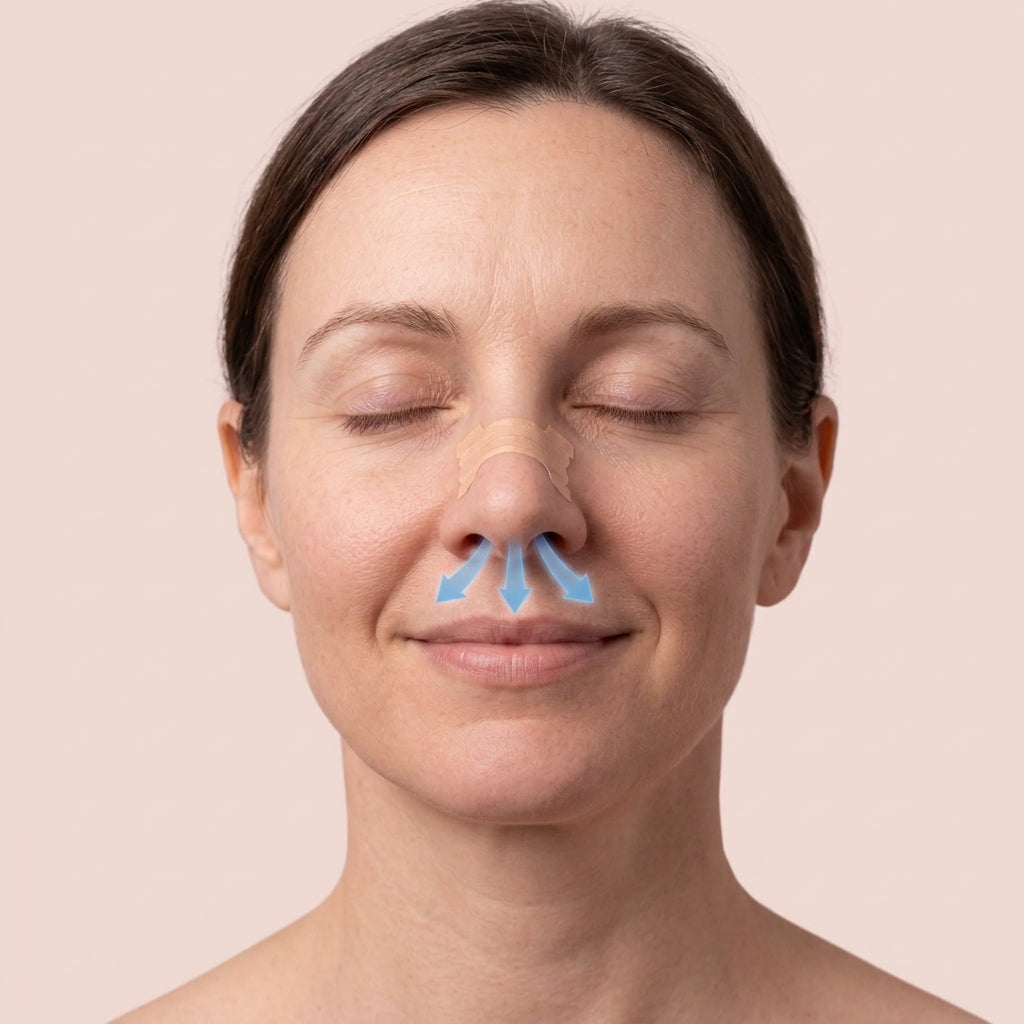
Mouth breathing vs nasal breathing: how do they affect your lungs and airways?
Discover how mouth breathing reduces lung function by up to 20% while nasal breathing optimises oxygen uptake, filters air, and protects your airways for healthier breathing.
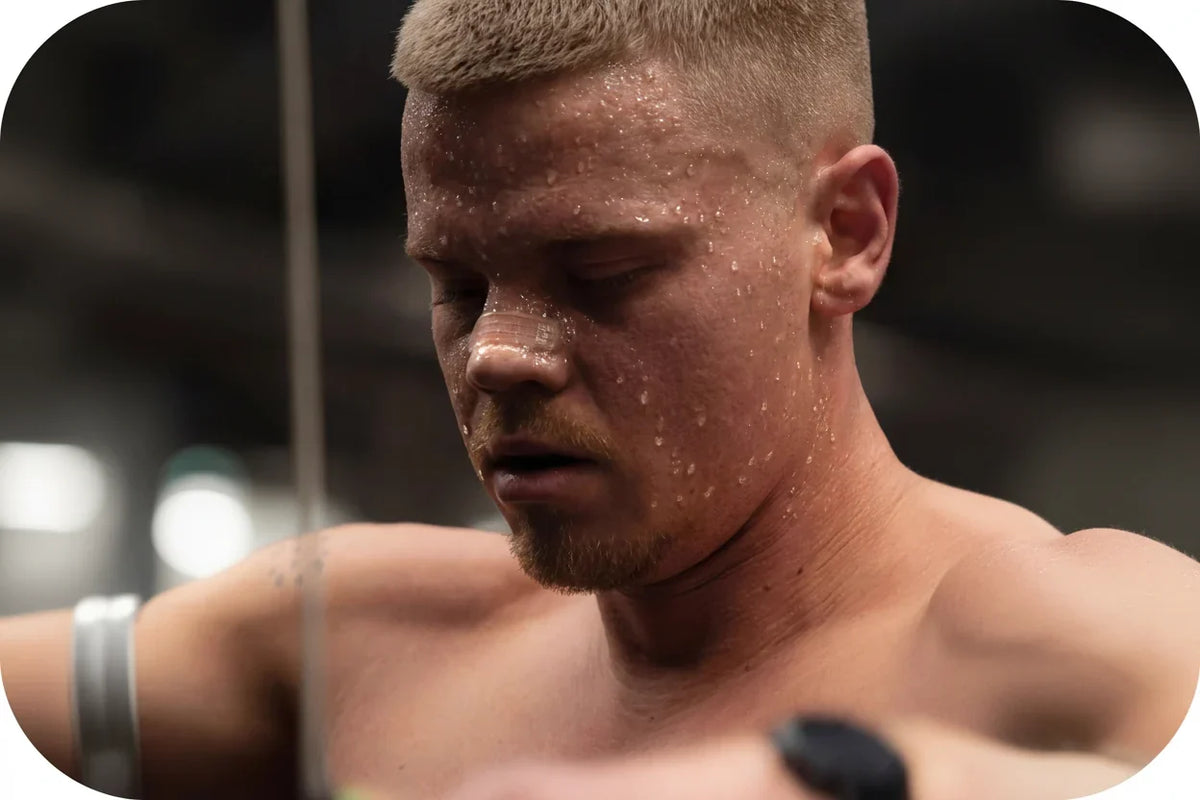
Top 10 ways nasal strips boost your sports performance and training results
Discover how nasal strips mechanically open your airways to boost athletic performance, delay mouth breathing, and enhance training results across all sports.

